Everything about HYROX: competition format, exercises, training and how to prepare in Marrakech at Dune Training.
Want to try?
Your 1st session here to guide you through every exercise.
HYROX is the fastest-growing fitness competition in the world. Created in 2017 in Hamburg by Christian Toetzke and Moritz Fürste, it now draws over 100,000 participants per season across four continents. The concept is dead simple: run 8 km total, broken into 1 km segments, with a functional exercise station after each kilometer. No handstands, no overhead snatches, no gymnastics skills. Just raw effort, pacing, and mental toughness.
What makes HYROX so appealing is its standardization. Every race on the planet uses the same format, same distances, same weights. Your time in Marrakech can be directly compared to someone racing in Chicago or Berlin. Think of it like a marathon, but with sled pushes and wall balls between the mile markers. That consistency is what hooks people. you always know what you're training for.
The Competition Format Broken Down
A HYROX race has 8 exercise stations, each preceded by a 1 km run. Total running distance: 8 km. The exercises come in this order: SkiErg (1000m), Sled Push (50m), Sled Pull (50m), Burpee Broad Jumps (80m), Rowing (1000m), Farmers Carry (200m), Sandbag Lunges (100m), and Wall Balls (75 or 100 reps depending on your division).
Weights vary by division. In Open men, the sled is loaded to 152 kg for the push and 103 kg for the pull. Sandbags weigh 20 kg and the wall ball is 6 kg. In Pro, everything goes up: sled push at 202 kg, sled pull at 153 kg, sandbag at 30 kg, wall ball at 9 kg with 100 reps instead of 75. Women's weights are proportionally adjusted. These details matter when you're preparing. every extra kilo on the sled is time added to your clock.
Who Should Race HYROX?
The race offers several categories. Open is the standard individual format. you do everything solo. Doubles lets you share stations with a partner: one runs while the other rests, and you alternate on exercises. It's perfect for a first race because you split the workload. Pro is for athletes who want heavier weights and higher standards. And Relay is a team of 4, great if you want to race with your gym crew.
You see all kinds of people on the start line. Former runners adding strength to their cardio. CrossFitters looking for a more accessible competition format. People who had never exercised two years ago and caught the bug. HYROX brings people together because the format is the same for everyone. it's just you against the clock.
Breaking Down All 8 Stations
The SkiErg kicks things off with 1000m. It's a machine that simulates cross-country skiing. you pull two handles downward while engaging your whole upper body. The classic mistake is pulling only with your arms. You need to engage your core and use gravity by hinging forward. A solid time is around 3:30 for men and 4:00 for women.
The Sled Push is the station that murders your legs. You push a loaded sled for 50 meters. Technique matters here more than raw strength: arms locked out, body leaning at 45 degrees, small quick steps. The trap is going too hard at the start and stalling halfway. A steady pace beats a sprint followed by a dead stop every time. The Sled Pull is 50 meters of pulling a rope attached to the sled. Plant your feet, pull hand over hand, and do not stop.
Burpee Broad Jumps are 80 meters of burpees chained with a standing broad jump. This is the most cardio-intensive station. Tip: don't jump as far as possible, jump efficiently. Small consistent jumps beat big leaps that gas you out. Rowing is 1000m on a Concept2. if you know the rower, aim for a split around 1:50-2:00 per 500m. Farmers Carry is 200m holding a kettlebell in each hand (2x24 kg for men, 2x16 kg for women). Keep your shoulders down and walk fast without running.
Sandbag Lunges are 100 meters of walking lunges with a sandbag on your shoulders. It's long, it's heavy, and your quads will beg you to stop. Keep your torso upright and take consistent steps. Finally, Wall Balls close out the race: 75 or 100 reps of squatting and throwing a medicine ball to a 3-meter target. The key is not stopping. even if you slow down, keep the rhythm going. Every pause costs more than you think.
Race Strategy: Managing Your Effort
The number one mistake first-timers make is going out too fast on the early runs. You feel fresh, you run hard, then you hit the sled push at station 2 and your legs are already cooked. The best strategy is a reverse negative split: start your runs at a comfortable pace (around 5:30-6:00/km) and save energy for the later stations where fatigue compounds.
Another overlooked factor: transitions. The time you spend walking from a station to the running lane, adjusting the rower, grabbing the kettlebells. it adds up. Top HYROX athletes waste zero time in transitions. They know where to set their stuff, they know their rower damper setting, they walk straight into the station without hesitating. It sounds minor, but across 8 stations you can easily save 3-4 minutes.
How to Prepare at Dune Training
At Dune Training in Marrakech, we run 8+ HYROX sessions per week. Our certified coaches prepare you specifically for each event: sled push technique, rowing endurance, running strategy, and effort management. Groups are capped at 12 people so coaching is actually personal.
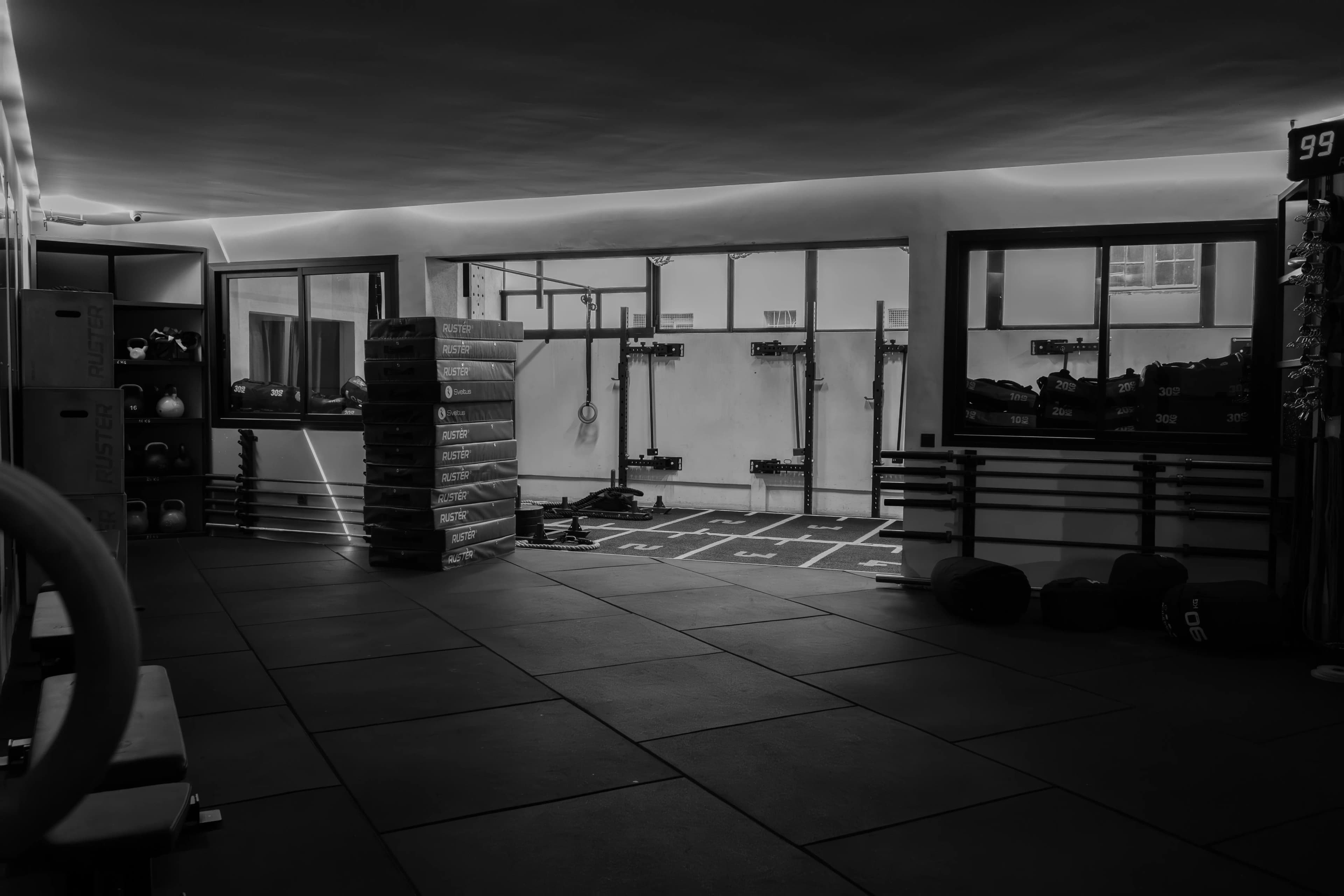
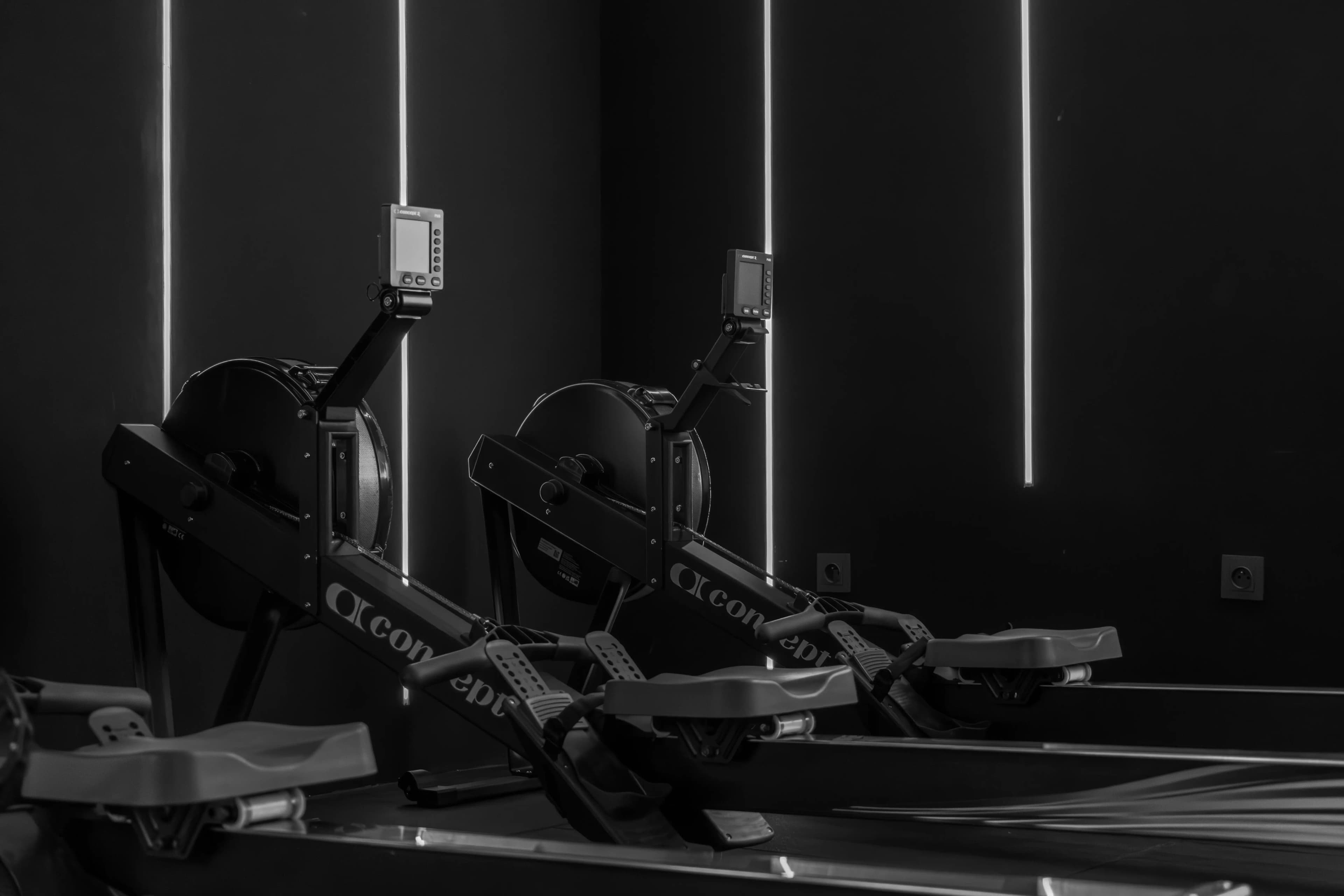
We have all the gear: sleds loaded to official HYROX weights, SkiErg, Concept2 rowers, sandbags, regulation wall balls. Once a month we run a full race simulation. all 8 stations chained with the running segments. It's the best way to benchmark where you stand and practice pacing across the full distance.
Nutrition and Recovery for HYROX
A HYROX race lasts between 1h10 and 2h depending on your level. That's a long effort, so nutrition before and during the race matters. Eat a solid meal 3 hours before (rice, chicken, vegetables. nothing fancy). During the race, an energy gel between station 4 and 5 can make a real difference. After the race, get protein and carbs in within the hour.
Outside of race day, recovery is part of training. At Dune Training we offer Mobility classes to work on your tight spots and weak links. Good post-workout stretching, 7-8 hours of sleep, and decent nutrition. it's not exciting, but it's what separates people who improve from people who plateau.
Benchmark Times to Aim For
For Open men, a solid first HYROX time is around 1h30-1h40. Experienced athletes target sub-1h15. The world record sits around 55 minutes. that's a different sport at that level. For Open women, aiming for 1h40-1h50 on a first race is realistic. The top women go under 1h10. In Doubles, strong teams finish around 1h00-1h10.
The most important thing is finishing your first race. Your time will improve naturally with training. We have members at Dune Training who shaved 15 minutes off between their first and second race just through consistent training and working on weak points. HYROX rewards consistency, not one-off heroics.
If HYROX sounds like your thing, come try a free class at Dune Training, 60 Avenue Mohammed V in Gueliz, Marrakech. We'll walk you through the format, let you test the stations, and you'll see it's more accessible than it looks. You don't need to be an athlete to start. just willing to push yourself.
Race Day Warm-Up Protocol
Your warm-up on race day needs to be precise. You want to show up ready for that first 1 km run, but you do not want to waste energy. Ideally, 15 to 20 minutes before your wave: 5 minutes of light jogging, a few bodyweight squats, some shoulder rotations, and a quick pass on the SkiErg if one is available in the warm-up area. The goal is to activate your muscles without tiring them out. Save the intensity for the race itself.
The Mental Game: HYROX's Invisible Station
Nobody talks enough about the mental side of HYROX. Around station 5 or 6, your body tells you to stop. Your legs are heavy, your breathing is ragged, and there are still 3 stations left. That is where mental preparation makes the difference. Top performers have a strategy: break the race into segments. Do not think about all 8 stations. Think only about the one you are on. One segment at a time. This approach works in training too. each session is a small battle won, building the mental toughness you will need on race day.
What to Wear and Bring on Race Day
Keep it simple. Wear running shoes with good grip because the sled stations require traction on the gym floor. Avoid trail shoes. they are too stiff for the running sections. A lightweight t-shirt and shorts or leggings that allow full range of motion are ideal. Bring a small towel for the transitions, an energy gel or two, water, and a change of clothes for after. Some athletes bring wrist wraps for the sled pull and gloves for the farmers carry, but most people go bare-handed once they have built up their grip strength in training.